
Understanding Cashless Payment Solutions in Events
As the event landscape evolves, the demand for seamless, efficient payment solutions continues to grow. One of the most significant advancements is the introduction of cashless payment systems that allow attendees to make purchases without the need for cash. Understanding pago cashless en eventos is crucial for event organizers looking to enhance operational efficiencies and improve attendee experiences. These systems leverage technology, such as NFC (Near Field Communication) and RFID (Radio Frequency Identification), to facilitate quick transactions and streamline access control.
What is pago cashless en eventos?
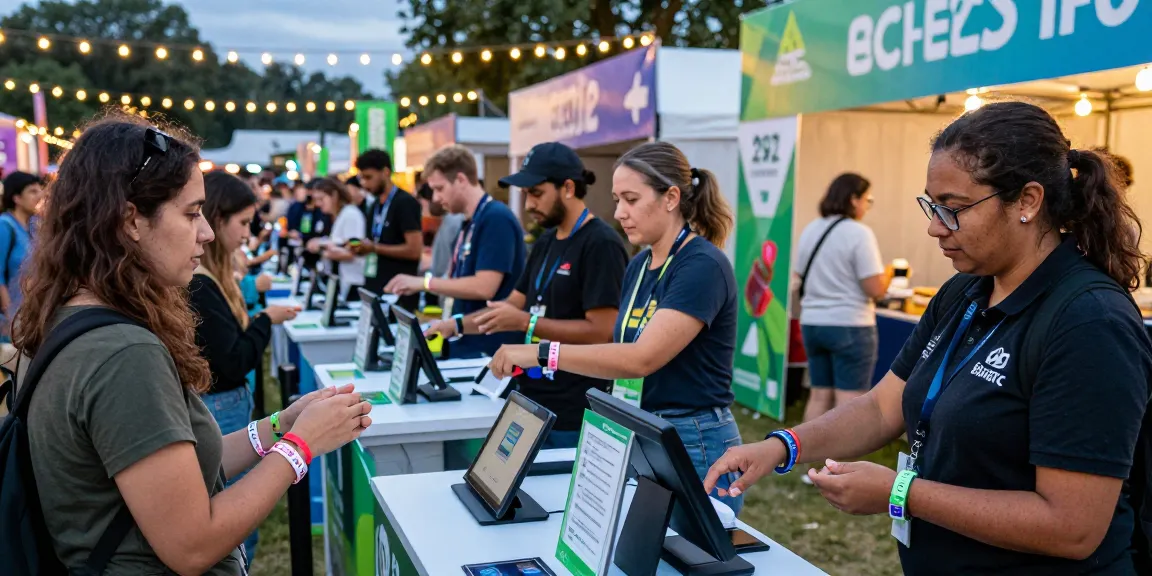
Pago cashless en eventos refers to the transition from traditional cash-based transactions at events to digital payment methods, which can include mobile payments, wristband payments, and contactless credit card transactions. These systems are designed to not only simplify the payment process for attendees but also to provide event organizers with valuable data on spending habits and attendance flows. The implementation of cashless solutions means that all payments are processed electronically, often through prepaid wristbands that are scanned at points of sale, ensuring a faster and more efficient checkout experience.
Benefits of adopting cashless systems for event management
- Increased Revenue: Cashless systems can increase sales at events by up to 30% due to the convenience of quick transactions and automatic top-ups. This system allows attendees to spend more freely without the psychological barrier of cash handling.
- Enhanced Efficiency: With quicker transaction times, attendees spend less time waiting in line, which enhances their overall experience. Events can handle larger crowds without compromising the quality of service.
- Data-Driven Insights: Cashless systems provide organizers with real-time data analytics, allowing them to monitor sales, attendance patterns, and peak times. This information is invaluable for planning future events and improving logistics.
- Improved Security: Cashless systems reduce the risk of theft and cash handling mistakes, as attendees do not carry large sums of money during the event.
Common misconceptions about cashless payments in events
Despite the clear advantages of cashless payment systems, several misconceptions persist. One of the most common is the belief that these systems are too complicated to implement. In reality, many providers offer user-friendly solutions that can be tailored to the specific needs of an event. Additionally, concerns about technology failures are often overstated, as modern cashless systems are designed with reliability and backup processes to ensure continuous operation. Furthermore, some attendees may worry about privacy and security; however, reputable cashless systems implement robust security protocols to protect user data.
Implementing Cashless Payment Systems
Implementing a cashless system at your event involves several strategic steps and considerations. By leveraging the right technology, you can greatly enhance both operational efficiency and attendee satisfaction. For those looking to streamline their events, resources like pago cashless en eventos provide comprehensive insights into how to best navigate this process.
Steps to set up NFC wristbands for your event
- Choose a Provider: Research and select a reputable provider that can offer the technology and support you need.
- Design Your System: Work with your provider to design a customized payment solution that fits the scale and type of your event.
- Test Before Launch: Conduct thorough testing of the system prior to the event to ensure that all components work together seamlessly.
- Train Your Staff: Ensure that all event personnel are well-trained in the use of the technology and can assist attendees with any queries.
Choosing the right technology and partners for your needs
Selecting the appropriate technology is crucial for the success of a cashless system. Event organizers should consider factors such as the size of the event, expected attendance, and the specific functionalities needed. Some key features to look for include real-time monitoring capabilities, user-friendly interfaces, and robust technical support. Partnering with experienced providers can make the implementation process smoother and more efficient.
Real-time monitoring and data analysis capabilities
One of the most significant advantages of cashless payment systems is their ability to provide real-time monitoring. This allows event organizers to track attendance, sales, and operational metrics instantaneously. Having access to data analytics not only helps in making immediate adjustments during the event but also aids in future planning. For instance, understanding which products sell best or identifying peak purchase times can inform everything from inventory management to staffing levels.
Enhancing Guest Experience with Cashless Solutions
The implementation of cashless systems significantly enhances the guest experience, allowing attendees to focus more on enjoying the event rather than worrying about the logistics of payments.
Streamlining entry with intelligent access control
Intelligent access control solutions facilitate faster entries and reduce wait times at the gates. With NFC wristbands, attendees can simply wave their bands to gain access, eliminating the need for traditional ticket checking. This not only improves the overall flow of people entering the venue but also enhances security measures, as each entry can be tracked and monitored.
Boosting vendor sales with frictionless transactions
Vendors benefit significantly from cashless solutions as they can offer quicker transactions. The convenience of quick payments encourages attendees to make impulse purchases, leading to a noticeable increase in overall sales. This frictionless experience is particularly important in high-traffic areas, where long lines can deter potential customers.
Creating a seamless experience for event attendees
By adopting cashless systems, event organizers create a seamless experience for attendees. From entry to concessions and merchandise, the process of purchasing becomes quick and easy. Moreover, offering features such as automatic top-ups on wristbands allows guests to enter the event with a prepaid balance, further simplifying transactions and improving satisfaction.
Case Studies: Successful Implementations
Understanding how others have successfully implemented cashless systems provides valuable lessons for new event organizers. Analyzing real-world examples can inspire effective strategies for future events.
Analysis of SoundWave Festival’s cashless approach
SoundWave Festival showcased the benefits of a cashless approach by managing the entry of 40,000 attendees without any significant queues. Their implementation included fast-track entry via NFC wristbands and real-time sales tracking, enabling organizers to make immediate adjustments to operations based on attendance data.
How TechCon Global improved efficiency with cashless payments
TechCon Global transitioned to a cashless system that drastically reduced operational time related to vendor reporting. Reports that previously took days to compile were now available in seconds, allowing for quicker financial decisions and enhancing the overall management of event operations.
Lessons learned from large-scale events
Large-scale events provide rich insights into the practical implications of cashless systems. Key takeaways include the importance of robust technology, effective staff training, and the necessity of contingency plans to address potential technical issues. These factors can be pivotal in ensuring a smooth experience for both organizers and attendees.
Future Trends in Event Management Technology
As technology continues to evolve, so too does the landscape of event management. Staying informed about upcoming trends can help organizers remain competitive and responsive to attendee needs.
Emerging technologies shaping the cashless payment landscape
Innovations such as blockchain and biometric payment systems are poised to further revolutionize cashless payments in events. These technologies promise enhanced security and greater user convenience, paving the way for even more streamlined experiences.
Predictions for cashless events in 2026 and beyond
Looking toward the future, it’s anticipated that cashless payments will become ubiquitous at events of all sizes. As consumer preferences evolve, the demand for seamless and instantaneous payment methods will only grow, making cashless systems an essential component of the event experience.
Preparing for the future: Strategies for event organizers
To prepare for the ongoing evolution of cashless solutions, event organizers should focus on continuous learning and adaptation. This includes investing in technology upgrades, training staff on new systems, and regularly seeking feedback from attendees to refine their offerings. Keeping an eye on trends can help organizers not only meet but exceed attendee expectations in an increasingly digital world.
What are the main benefits of cashless payments?
The advantages of cashless payments include improved transaction speeds, increased customer satisfaction due to the convenience of digital payments, enhanced data analytics capabilities, and improved security measures against theft.
How can I implement a cashless payment system for my event?
Implementation involves selecting a reliable provider, designing a tailored solution for your event, training staff, and testing the system prior to launch.
What equipment do I need for cashless solutions?
Typically, you will need NFC wristbands or cards, POS terminals that accept cashless transactions, and access to real-time monitoring software for analytics.
Are there any security concerns with cashless payments?
While concerns exist, reputable cashless systems deploy advanced security measures such as encryption, tokenization, and regular security audits to protect user data.
How do I measure success after implementing cashless systems?
Success can be gauged through metrics such as increased sales, reduced transaction times, attendee feedback, and the ability to analyze data for future improvements.