Posted on

m98 ทางเข้า Pros and Cons: An Honest Breakdown of Breton Cultural Events in 2026

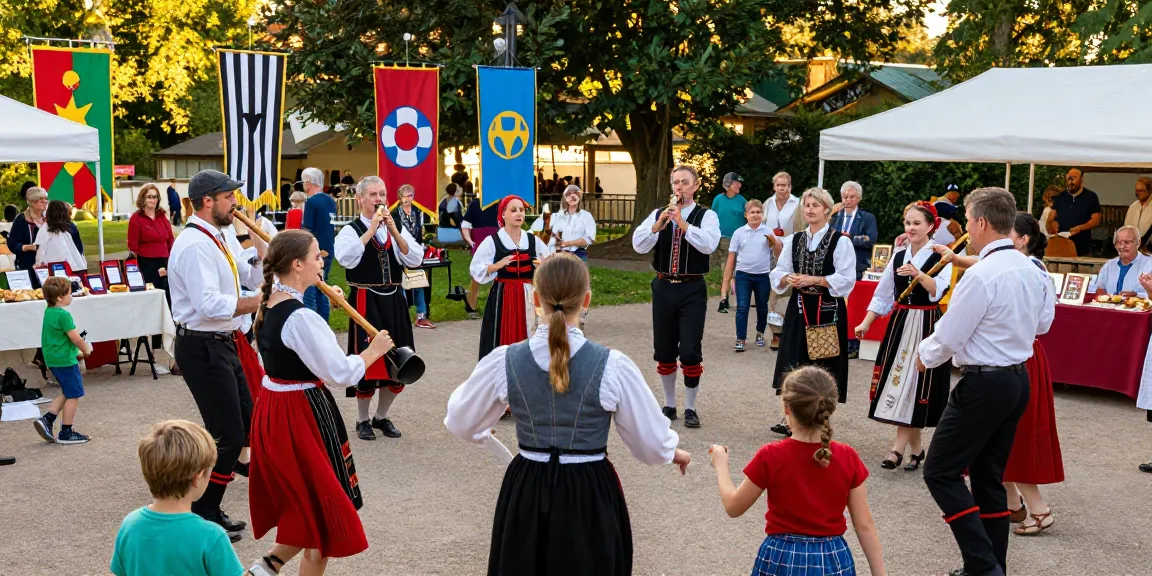
Engaging scene of m98 ทางเข้า during a Breton cultural event, showcasing traditional music and dance at Park du Thabor.

Understanding m98 ทางเข้า in Breton Culture

In the vibrant tapestry of Breton culture, the term m98 ทางเข้า captures a significant essence that resonates deeply within the community. This connection not only pertains to their rich heritage but also to the events that celebrate and promote the unique identity of Brittany. Cultural events serve as platforms for artists and local communities, fostering an environment where traditions are preserved and innovation is encouraged. These gatherings play a pivotal role in revitalizing festive traditions and showcasing the dynamism of Breton cultural expressions.

When exploring options, m98 ทางเข้า provides comprehensive insights into the ongoing cultural practices and events in the region. Understanding the significance of this phrase in relation to the arts reveals the layers of meaning embedded in community celebrations, from music and dance to visual arts and storytelling.

What is m98 ทางเข้า and its Significance?

At its core, m98 ทางเข้า symbolizes a gateway to the cultural heritage of Brittany. It encompasses various aspects, including festivals, artistic expressions, and community interactions that shape the identity of the region. The term reflects a movement towards enhancing cultural visibility and engaging younger generations in traditional practices. This bridge not only connects people to their past but also to contemporary interpretations of Breton culture, which often blend traditional elements with modern creativity.

Key Elements of Breton Artistic Expression

Breton art is uniquely characterized by its diverse forms, including music, dance, visual arts, and literature. Key elements of this artistic expression include:

  • Traditional Music: Instruments like the bombarde and the biniou (Breton bagpipe) are central to folk music traditions, often featured in various cultural events.
  • Dance: Fest-noz events, where traditional dances are performed, play a crucial role in community bonding and the transmission of cultural practices.
  • Visual Arts: Artists incorporate motifs from Breton mythology into their work, reflecting local landscapes and folklore.

These elements serve not only to entertain but also to educate audiences about the richness of Breton culture, creating an immersive experience at every event.

Role of Community in Cultural Events

The community’s involvement is vital for the success and sustainability of cultural events related to m98 ทางเข้า. Local associations, such as Skeudenn Bro Roazhon, play an integral role in orchestrating these gatherings, ensuring that they cater to both traditionalists and new audiences. Community participation takes many forms:

  • Volunteer Efforts: Locals come together to organize events, manage logistics, and provide essential support.
  • Artistic Contributions: Local artists are often invited to showcase their work, offering a platform for emerging talent.
  • Audience Engagement: The community is encouraged to participate actively, resulting in a lively atmosphere that fosters connections among attendees.

Benefits of Participating in Breton Events

Engaging in cultural events related to m98 ทางเข้า provides numerous benefits not only for participants but for the broader community as well. These events help preserve and promote local traditions while also creating an inclusive environment for everyone.

Cultural Enrichment Through m98 ทางเข้า

Attending Breton cultural events enriches participants’ understanding of the region’s history and traditions. It offers an opportunity to experience the warmth of Breton hospitality and the vibrancy of its artistic expressions. Such experiences foster a sense of belonging and pride among community members.

Networking Opportunities for Local Artists

Cultural events serve as valuable networking opportunities for local artists and performers. They allow artists to connect with each other, collaborate on projects, and build relationships that can lead to future artistic endeavors. By participating in these gatherings, artists gain exposure and recognition within their community, enhancing their profiles and careers.

Promotion of Regional Traditions and Heritage

One of the most vital roles of cultural events is the promotion of regional traditions. By showcasing traditional crafts, music, and dance, organizers help preserve these practices for future generations. This encouragement not only keeps the history alive but also allows for the evolution of these traditions, enabling them to remain relevant in a changing world.

Challenges Faced by Event Organizers

Despite the many benefits, organizing cultural events comes with its challenges. Understanding these obstacles is crucial for the continuous improvement of event planning within the Breton context.

Funding and Resource Allocation

Securing adequate funding is one of the primary challenges faced by event organizers. Many cultural initiatives rely heavily on grants, sponsorships, and community contributions to finance their events. Without a solid financial backing, it becomes difficult to produce high-quality programs that can attract attendees.

Logistical Issues in Event Planning

Logistical hurdles, such as venue selection, scheduling conflicts, and transportation arrangements, can pose significant challenges for organizers. A well-planned event requires careful attention to detail, and a lack of resources or experience can lead to complications that affect the event’s success.

Maintaining Participation and Interest

Keeping the community engaged and interested in cultural events is crucial for their success. As tastes and interests evolve, event organizers must find innovative ways to attract diverse audiences while retaining the essence of traditional practices. This challenge can require ongoing outreach and adaptation strategies to appeal to younger generations.

Best Practices for Attending Cultural Events

For attendees, participating in Breton cultural events can be immensely rewarding when approached thoughtfully. Here are some best practices to enhance the experience.

How to Engage with the Community Effectively?

Active engagement with the community is key to a fulfilling experience at cultural events. Attendees should consider:

  • Initiating conversations with locals to learn more about the culture.
  • Participating in workshops or demonstrations to deepen their understanding.
  • Supporting local artisans by purchasing their work and spreading the word about their crafts.

Tips for Enjoying m98 ทางเข้า Events

To fully enjoy m98 ทางเข้า events, attendees should:

  • Arrive early to explore the offerings and secure the best spots for performances.
  • Dress appropriately for outdoor events and be prepared for varying weather conditions.
  • Embrace spontaneity and be open to trying new activities or food.

Maximizing Your Experience as a Visitor

Maximizing your experience involves preparation and an open mind. Attendees should familiarize themselves with the event schedule, create a plan of what they wish to see, and be flexible enough to enjoy unexpected opportunities as they arise.

Future Trends in Breton Cultural Events

As we look towards the future, the landscape of cultural events in Brittany continues to evolve. Understanding emerging trends helps predict how these events will shape the community in the coming years.

Innovative Approaches to Event Management

Event organizers are increasingly using technology to enhance the experience for attendees. Innovations such as online ticketing, live streaming of performances, and interactive app features are becoming standard. These advances can democratize access to events and broaden participation.

Emerging Artists and New Forms of Expression

The rise of new artistic voices in the Breton cultural scene is notable. As younger generations embrace their heritage, they often reinterpret traditional art forms, merging them with contemporary practices. This evolution not only reinvigorates interest in cultural events but also ensures their relevance in today’s society.

Predictions for 2026 and Beyond

Looking ahead to 2026, cultural events in Brittany are predicted to become more inclusive and diverse. Increased focus on accessibility will likely make events more welcoming to all members of the community. Additionally, there may be a push for greener practices within event management, emphasizing sustainability as a core value.

What can attendees expect from m98 ทางเข้า events?

Attendees can expect a rich blend of traditional and modern cultural expressions, fostering an appreciation for the region’s heritage while engaging with innovative artistic perspectives. Events will likely remain community-centric, emphasizing participation and interaction.

How do Breton events foster community spirit?

Breton events foster community spirit by bringing people together to celebrate shared culture. These gatherings create a sense of belonging and encourage collaboration among community members, reinforcing bonds and collective identity.

Are there upcoming m98 ทางเข้า events in 2026?

Yes, there are numerous planned events in 2026 that will celebrate Breton culture. Local associations are already in the process of organizing festivals, workshops, and seasonal gatherings that reflect the vibrancy of the community.

What are the essential elements of successful cultural events?

Successful cultural events typically feature a mix of quality programming, community involvement, effective promotion, and a welcoming atmosphere. Engaging content and active participation from attendees significantly contribute to the overall experience.

How can local culture be preserved through these events?

Local culture can be preserved through continual education and engagement, allowing traditions to adapt while staying true to their roots. Events that prioritize community involvement and celebrate local artistry help ensure that cultural practices endure through generations.
Posted on

Your 상봉동 한국관 Wake-Up Call: What’s Really Happening in 2026

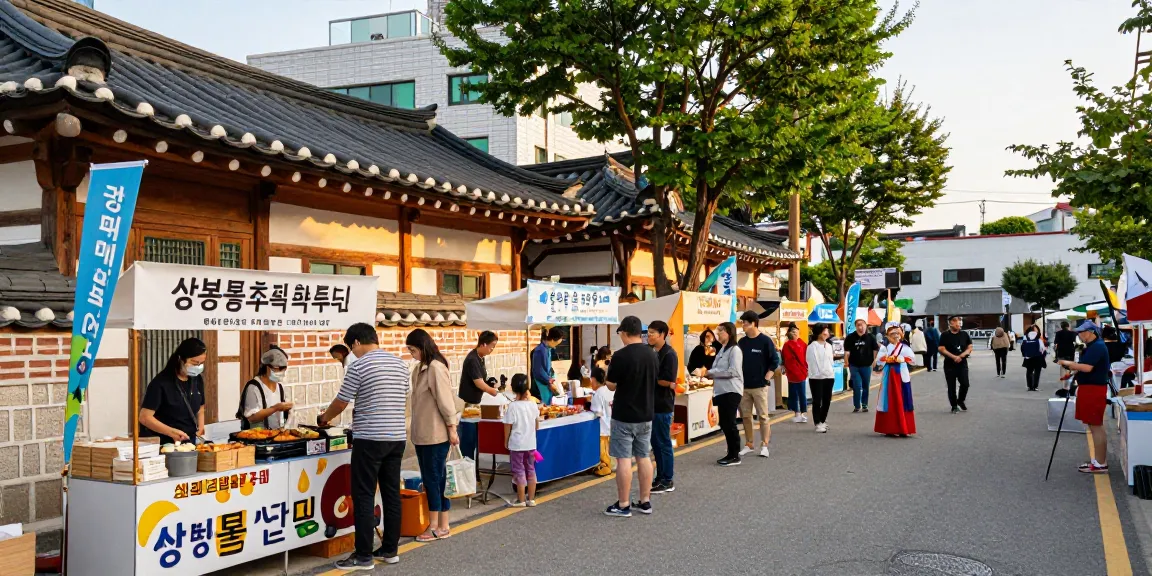
Vibrant community scene at 상봉동 한국관 with visitors enjoying cultural activities and Korean street food.

Understanding the 상봉동 한국관

As one of the prominent cultural hubs in the region, the 상봉동 한국관 plays a significant role in preserving and promoting Korean heritage. This article embarks on an in-depth exploration of the various dimensions of this establishment, from its historical roots to its contemporary relevance in the community.

Historical Significance of 상봉동 한국관

Established several decades ago, 상봉동 한국관 has been a beacon of cultural identity for the local population. The center was designed not only as a space for cultural display but also as a venue for education and community engagement. Its architecture reflects traditional Korean aesthetics while incorporating modern elements, symbolizing a bridge between the past and the present.

The significance of the Korean community in Hanguk (Korea) can’t be understated, as the center has hosted numerous exhibitions and events that highlight the rich tapestry of Korean history, arts, and traditions. Over the years, it has become a gathering place for locals and visitors alike to engage with the culture and learn about its evolution.

Cultural Events and Activities

상봉동 한국관 is known for a diverse array of cultural events that cater to various interests. From traditional music performances and dance recitals to art exhibitions and workshops, the center offers something for everyone. These events not only entertain but also educate participants on Korean customs and practices, making the center a cornerstone for cultural exchange.

Additionally, seasonal festivals often highlight major holidays and celebrations such as Chuseok and Seollal, allowing visitors to experience authentic Korean festivities firsthand. Such activities foster a sense of community while preserving ancestral traditions for future generations.

Community Impact and Engagement

The impact of 상봉동 한국관 extends beyond mere cultural exhibitions; it actively engages with the community to foster a spirit of inclusivity and collaboration. Educational programs targeted at youth, such as language classes and cultural workshops, motivate younger generations to connect with their heritage actively.

Moreover, the center collaborates with local artists and artisans, providing them a platform to showcase their work, thereby supporting the local economy. This mutual support strengthens community ties and enhances cultural pride among residents.

Navigating Discounts and Pricing

One of the perks of engaging with the 상봉동 한국관 is the availability of various discounts designed to make cultural experiences accessible to a wider audience.

Detailed Breakdown of Discounts Available

Discounts at 상봉동 한국관 are structured in a way to encourage broader participation in cultural events. Below is a breakdown of available discount options:

  • Group Discounts: Reductions for larger groups, encouraging collective engagement.
  • Student Discounts: Special rates for students to promote cultural education.
  • Family Packs: Bundled tickets for families, making cultural outings affordable.
  • Seasonal Promotions: Discounts during specific holidays or events throughout the year.

How to Access and Use the Password for Discounts

To access certain exclusive discounts, visitors may need to input a password during the registration process. This system ensures that these offers reach the intended audience. It’s essential to keep the password safe, as it might be required again for future engagements.

One can retrieve the password through the circumstances of their previous visit to the center or through contact with customer service, ensuring a seamless experience for potential attendees.

Common Issues with Discount Accessibility

While discounts are designed to enhance accessibility, some visitors may encounter issues. Common problems include forgotten passwords or technical difficulties during online booking. To mitigate these challenges, it’s advisable to reach out to the center’s support team, who are well-equipped to assist with such concerns promptly.

Community Feedback and Insights

The voice of the community often reflects the strength and influence of the 상봉동 한국관, shaping its future and enhancing its offerings.

What Locals Say About the 상봉동 한국관

Local feedback consistently praises the center for its warmth and welcoming atmosphere. Residents appreciate the commitment to cultural authenticity and the efforts to integrate modern elements without losing the essence of traditional practices. This connection to the community reinforces the center’s position as a vital cultural landmark.

Visitor Experiences: Testimonials and Reviews

Testimonials from visitors often highlight the enriching experiences encountered at 상봉동 한국관. Many express admiration for the knowledgeable staff, the variety of activities offered, and the overall organization of events. Enthusiastic attendees recount how events not only entertained but also educated them about Korean culture.

Reviews frequently comment on the friendly environment and accessibility of the center, making it a recommended destination for both locals and tourists seeking to immerse themselves in Korean heritage.

Addressing Common Concerns and Questions

Common questions regarding the center typically include inquiries about accessibility, event scheduling, and participation requirements. The staff at 상봉동 한국관 are dedicated to addressing these concerns, ensuring that all visitors feel welcomed and informed. Regular updates on the center’s website also help clarify such matters, providing essential information readily available to potential visitors.

Future Trends for 상봉동 한국관 in 2026

As we look ahead to 2026, the future of 상봉동 한국관 appears vibrant, with numerous trends and initiatives on the horizon.

Emerging Cultural Trends in the Community

One of the most significant trends observed is the increased focus on digital engagement. Virtual events and online exhibitions are gaining traction, allowing the center to expand its reach beyond geographical boundaries. This trend promotes accessibility, enabling those unable to attend in person to participate in cultural experiences.

Predictions for Visitor Engagement

The growth in visitor engagement is expected to rise as the center adapts to contemporary cultural dynamics. By catering to diverse demographics and incorporating modern technology into its programming, 상봉동 한국관 is poised to attract a broader audience while maintaining its core mission of cultural preservation.

New Initiatives and Services Planned

Upcoming initiatives may include partnerships with educational institutions to enhance cultural education and opportunities for collaboration with international artists. These projects aim to foster cross-cultural dialogue and create a more inclusive environment at 상봉동 한국관.

Visiting the 상봉동 한국관: A Guide

Planning a visit to 상봉동 한국관 can be a seamless experience with the right information at your fingertips.

Best Times to Visit for Events

To maximize your experience, consider visiting during peak event times, especially during major cultural festivals or exhibitions. These times typically draw larger crowds and provide extensive programming to choose from, enriching your visit with varied cultural experiences.

Transportation and Accessibility Tips

Getting to 상봉동 한국관 is convenient, with access to public transport routes nearby. Moreover, the center is designed to be accessible for visitors of all abilities, ensuring an inclusive environment for everyone. It’s advisable to check local transport schedules and plan your visit accordingly.

Recommendations for Local Eats and Attractions

After exploring the cultural offerings at 상봉동 한국관, visitors can enjoy nearby local dining options that reflect the region’s culinary heritage. Recommendations often include local Korean eateries that offer authentic dishes, enhancing the overall experience of your visit. Additionally, nearby attractions can further enrich your cultural exploration, creating a fuller experience.

What discounts can I find at 상봉동 한국관?

As previously outlined, visitors can benefit from a range of discounts tailored for groups, families, and students, ensuring that enjoyment of Korean culture remains accessible to all.

How do I retrieve the password for private posts?

Retrieving your password can typically be done through contact with the center’s customer service or by checking previous communications from your visit.

Are there family-friendly activities at 상봉동 한국관?

Yes, the center offers numerous family-oriented activities enhancing the experience for visitors of all ages.

What are the upcoming events at 상봉동 한국관?

Keep an eye on the center’s official calendar for updates on future events, ensuring you don’t miss out on exciting cultural experiences.

How can I provide feedback about my visit to 상봉동 한국관?

Feedback can be submitted through the center’s website or directly at the venue, where staff are eager to hear about visitors’ experiences.

Posted on

Building Stronger Communities: Keys to Social Engagement

Community and Society

Understanding Community Dynamics

The concept of community is multifaceted, encompassing a range of social structures, relationships, and interactions that bind individuals together. Understanding community dynamics is crucial in addressing societal issues, fostering engagement, and promoting well-being. This section explores the definitions, types, and characteristics of communities, along with the influence of social structures and the importance of participation.

Defining Community: Types and Characteristics

A community can be defined as a group of individuals who share common interests, values, or geographical locations. Communities can be categorized in various ways, including:

  • Geographical Communities: Defined by physical boundaries such as neighborhoods, towns, or cities. For example, the vibrant community of Harlem in New York City is known for its historical significance and cultural contributions.
  • Interest-Based Communities: Formed around shared interests or activities, such as book clubs, sports teams, or online forums. The global community of gamers, including platforms like Twitch, exemplifies this type.
  • Cultural Communities: Groups bonded by shared cultural heritage, language, or traditions. The Amish community in Pennsylvania showcases a unique cultural identity that influences their lifestyle choices.
  • Virtual Communities: Emerging from the digital age, these communities exist online and connect individuals across geographical boundaries. For instance, Reddit hosts numerous communities (subreddits) focused on diverse topics, allowing global interaction.

Each type of community possesses unique characteristics such as a sense of belonging, shared values, and common goals. These characteristics foster social cohesion and collective identity, pivotal for community success.

The Role of Social Structures in Community

Social structures play a vital role in shaping community dynamics. They encompass the frameworks that organize society, including institutions, norms, and relationships. Key social structures influencing communities include:

  • Family: The fundamental unit of society, families form the primary socialization context for individuals. Family structures can vary significantly across communities, affecting cultural practices and interactions.
  • Education: Schools and educational institutions serve as crucial social systems, influencing community values, norms, and aspirations. For example, community schools often engage in local initiatives, strengthening ties between students and their neighborhoods.
  • Government: Local governments play a crucial role in community development through policies and programs addressing residents’ needs. Initiatives like community policing foster trust and cooperation between law enforcement and community members.
  • Religious Organizations: Often serving as community centers, religious institutions provide social support, cultural preservation, and opportunities for volunteerism. The role of churches and mosques in organizing community outreach programs illustrates this impact.

Understanding these social structures allows community leaders and members to identify strengths and weaknesses, facilitating targeted interventions for improvement.

Importance of Community Engagement and Participation

Community engagement and participation are essential for fostering a thriving environment. Active involvement ensures that all community members have a voice in decision-making processes, leading to more representative and effective outcomes. The significance of engagement can be highlighted through various aspects:

  • Empowerment: When individuals participate in community activities, they feel empowered to effect change. Programs like neighborhood councils provide platforms for residents to influence local governance.
  • Social Capital: Participation builds social networks, promoting trust and cooperation among community members. This social capital is vital for collective action, as seen in initiatives where neighbors collaborate to enhance public spaces.
  • Resilience: Engaged communities are more resilient in facing challenges. During the COVID-19 pandemic, many communities organized mutual aid networks to support vulnerable members, showcasing the power of collective effort.
  • Enhanced Quality of Life: Active participation fosters a sense of belonging and increases overall satisfaction within communities. Programs that encourage volunteerism often lead to improved mental health and community well-being.

To promote engagement, community leaders can employ strategies such as organizing town hall meetings, creating inclusive platforms for discussion, and recognizing volunteer contributions.

Societal Challenges and Community Responses

Communities often face significant societal challenges, including social inequality, environmental degradation, and health disparities. However, many communities respond with innovative solutions and grassroots movements to address these issues. This section explores various societal challenges and the community-led responses that emerge.

Addressing Social Inequality: Grassroots Movements

Social inequality remains a pervasive issue, manifesting through disparities in wealth, education, and access to resources. Grassroots movements have emerged as powerful forces for change, mobilizing community members to advocate for justice and equality. Notable examples include:

  • The Civil Rights Movement: This historic movement in the United States galvanized communities to fight against racial discrimination and segregation, leading to significant legislative changes.
  • Black Lives Matter: Founded in response to police violence against African Americans, this movement utilizes social media to mobilize communities across the globe, advocating for systemic change and accountability.
  • Local Food Movements: Initiatives like urban farming and community-supported agriculture (CSA) programs aim to address food deserts and promote food justice by providing access to fresh produce in underserved areas.

These grassroots movements exemplify the power of community organizing, demonstrating that collective action can lead to meaningful societal change.

Community Initiatives for Environmental Sustainability

Environmental sustainability is crucial for the well-being of current and future generations. Communities worldwide are taking proactive steps to address environmental challenges through various initiatives:

  • Community Gardens: These spaces not only provide fresh produce but also foster community interaction and education about sustainable practices. For example, the Incredible Edible project in Todmorden, UK, encourages residents to grow food in public spaces.
  • Recycling Programs: Many communities have implemented robust recycling initiatives to reduce waste and promote environmental stewardship. The city of San Francisco has set ambitious goals to achieve zero waste by 2030.
  • Renewable Energy Cooperatives: Some communities are investing in renewable energy sources by forming cooperatives. The Cohousing Network in the U.S. exemplifies this by pooling resources for solar energy installations.

These initiatives not only foster environmental awareness but also strengthen community bonds, demonstrating the interconnectedness of ecological health and social cohesion.

Health and Well-being: Community-Based Solutions

Communities also play a pivotal role in addressing health and well-being, particularly in the face of rising health disparities. Community-based solutions focus on promoting holistic health and wellness:

  • Health Education Programs: Initiatives that educate community members about nutrition, exercise, and mental health can lead to healthier lifestyles. Programs like the “Healthy Living” initiative in Detroit aim to improve health outcomes through education and resources.
  • Support Groups: These groups provide social support for individuals facing health challenges, from addiction recovery to chronic illness management. Community centers often host these groups, fostering connection and healing.
  • Access to Healthcare: Mobile clinics and partnerships with local health providers can improve access to healthcare services in underserved areas. For instance, the Health Wagon in Virginia provides medical services to rural communities lacking access to traditional healthcare.

By addressing health and well-being through community-based solutions, communities can create environments that support healthy living and resilience.

The Impact of Technology on Community Interaction

Technology has revolutionized the way communities interact, providing new avenues for connection and engagement. However, it also presents challenges that communities must navigate. This section examines the dual impact of technology on community interaction.

Digital Communities: Building Connections Online

Digital communities have emerged as significant spaces for interaction, transcending geographical barriers. Platforms such as Facebook, Discord, and Slack enable individuals to connect over shared interests, fostering relationships and collaboration:

  • Support Networks: Online support groups for mental health, parenting, or chronic illness offer individuals a safe space to share experiences and access resources.
  • Collaborative Projects: Platforms like GitHub facilitate collaboration among developers and creators, allowing them to work together on projects regardless of location.
  • Event Organizing: Digital tools enable communities to organize events, from virtual meetups to large-scale conferences, increasing accessibility and participation.

These digital communities highlight the potential for technology to enhance social connections, although they also require careful management to ensure inclusivity and engagement.

Social Media Influence on Community Engagement

Social media plays a pivotal role in shaping community engagement, allowing for real-time communication and mobilization. The influence of social media can be observed through:

  • Awareness Campaigns: Social media platforms are often used to raise awareness about social issues, mobilizing community members for advocacy and activism. For instance, the #MeToo movement gained traction through social media, highlighting issues of sexual harassment and assault.
  • Community Building: Local businesses and organizations utilize social media to connect with community members, share updates, and foster loyalty.
  • Feedback Mechanisms: Social media allows community leaders to solicit feedback from residents, enhancing transparency and accountability in decision-making.

While social media can enhance engagement, it also presents challenges such as echo chambers and misinformation, which can undermine community cohesion.

Challenges of Misinformation in Digital Spaces

The proliferation of misinformation poses a significant challenge for communities in the digital age. Misinformation can lead to distrust, polarization, and conflict within communities. Addressing this issue requires:

  • Media Literacy Education: Educating community members about identifying credible sources and critically evaluating information can empower individuals to navigate digital spaces responsibly.
  • Fact-Checking Initiatives: Collaborating with fact-checking organizations can help communities combat misinformation and promote accurate information dissemination.
  • Encouraging Dialogue: Fostering open dialogue within communities can mitigate the impact of misinformation by allowing individuals to discuss differing viewpoints constructively.

By proactively addressing misinformation, communities can strengthen their social fabric and promote informed engagement.

Cultural Diversity and its Role in Society

Cultural diversity enriches communities, fostering innovation, creativity, and understanding. Embracing diversity is essential for building inclusive societies that respect and celebrate differences. This section explores the benefits of cultural diversity and strategies for promoting inclusion.

The Benefits of Cultural Exchange in Communities

Cultural exchange enhances understanding and appreciation among community members, leading to numerous benefits:

  • Innovation and Creativity: Diverse perspectives foster creativity and innovation, driving economic growth and cultural enrichment. Cities like Toronto, known for their multicultural population, benefit from vibrant arts and culinary scenes.
  • Social Cohesion: Cultural exchange fosters empathy and understanding, bridging divides and promoting social cohesion. Community events celebrating cultural festivals, such as Diwali or Lunar New Year, encourage participation and learning.
  • Global Perspectives: Exposure to diverse cultures broadens individuals’ worldviews, promoting tolerance and reducing prejudice. Educational programs that incorporate multicultural curricula highlight the importance of diversity.

Encouraging cultural exchange is vital for fostering harmonious communities that value inclusivity and collaboration.

Strategies for Promoting Inclusion and Tolerance

Promoting inclusion and tolerance requires deliberate strategies that engage community members in meaningful ways:

  • Community Dialogues: Hosting discussions and workshops centered on diversity and inclusion can facilitate understanding and address biases.
  • Inclusivity in Leadership: Ensuring diverse representation in community leadership fosters inclusive decision-making and allows various voices to be heard.
  • Celebrating Diversity: Organizing events that celebrate cultural diversity, such as multicultural fairs or art exhibitions, promotes appreciation and respect for different cultures.

Through these strategies, communities can promote an inclusive environment that values and respects all members.

Case Studies: Successful Multicultural Communities

Successful multicultural communities provide valuable insights into the benefits of diversity and inclusion:

  • Amsterdam, Netherlands: Known for its progressive policies and vibrant multicultural population, Amsterdam promotes inclusivity through community programs that encourage integration and collaboration among diverse groups.
  • San Francisco, USA: With its rich history of immigration, San Francisco celebrates cultural diversity through various festivals, community organizations, and initiatives that promote social justice and equity.
  • Melbourne, Australia: Recognized for its cultural diversity, Melbourne fosters an inclusive environment through policies that support migrants and refugees, ensuring access to education, employment, and community services.

These case studies illustrate the positive impact of multiculturalism on community development and social cohesion.

Future Trends in Community Development

As communities evolve, new trends and approaches to community development emerge. Understanding these trends is essential for fostering sustainable and resilient communities. This section explores innovative approaches and the role of policy in shaping community futures.

Innovative Approaches to Community Building

Innovative approaches to community building emphasize collaboration, inclusivity, and sustainability. Strategies include:

  • Participatory Planning: Involving community members in the planning process ensures that developments align with residents’ needs and preferences. Successful initiatives, such as community charrettes, facilitate collaboration between planners and residents.
  • Co-Housing Models: Co-housing communities promote shared living spaces and resources, fostering social connections and reducing environmental impact. Projects like EcoVillage in Ithaca, New York, exemplify this approach.
  • Creative Place-Making: Integrating art and culture into public spaces enhances community identity and engagement. Programs that involve local artists in revitalizing neighborhoods demonstrate the power of creativity in community development.

These innovative approaches highlight the importance of community input and collaboration in shaping vibrant and resilient communities.

The Role of Policy in Shaping Communities

Policy plays a critical role in community development, influencing resource allocation, planning, and social services. Effective policies should prioritize:

  • Equity and Inclusion: Policies that address systemic inequalities and promote inclusivity can create more equitable communities. For example, affordable housing initiatives can ensure that low-income residents have access to safe and stable living conditions.
  • Sustainable Development: Policies that prioritize environmental sustainability can help communities adapt to climate change and promote resilience. Initiatives such as green building standards and renewable energy incentives support sustainable practices.
  • Community Empowerment: Policies that foster community engagement and support local leadership can enhance residents’ sense of ownership and investment in their neighborhoods.

By prioritizing these policy areas, governments can contribute to the development of thriving, inclusive, and sustainable communities.

Leveraging Data and Technology for Community Insights

Data and technology offer valuable insights for community development, enabling informed decision-making and targeted interventions. Communities can leverage data through:

  • Community Assessments: Conducting regular assessments of community needs and resources can inform planning and resource allocation. Tools like community surveys and demographic analyses provide critical insights.
  • Smart City Technologies: Integrating technology into urban planning can enhance service delivery and community engagement. Smart city initiatives, such as those implemented in Barcelona, utilize data to improve transportation, energy use, and public services.
  • Open Data Initiatives: Encouraging transparency through open data can empower community members to access information and participate in decision-making. Cities like Chicago have adopted open data policies to promote accountability and citizen engagement.

By leveraging data and technology, communities can enhance their understanding of local dynamics and develop more effective strategies for growth and resilience.

Posted on

Building Stronger Communities Through Active Participation

Building Stronger Communities Through Active Participation

Understanding Community Dynamics

Communities are intricate social systems that shape the lives of individuals and influence the broader society. Understanding community dynamics is essential for fostering inclusive environments, promoting social responsibility, and enhancing the quality of life for all residents. This section delves into the definition of community, the importance of social cohesion, and the various factors that influence community development.

Defining Community: Types and Characteristics

A community can be defined as a group of individuals who share common interests, values, or geographical locations. Communities can be categorized into several types, including:

  • Geographic Communities: Defined by physical boundaries, such as towns, neighborhoods, or cities.
  • Cultural Communities: Comprised of individuals who share linguistic, ethnic, or cultural backgrounds.
  • Interest-Based Communities: Formed around shared interests or hobbies, such as sports clubs or artistic groups.
  • Virtual Communities: Online spaces where individuals interact, share information, and build connections, regardless of geographical limitations.

Key characteristics of thriving communities include:

  • Shared Identity: A sense of belonging and mutual recognition among community members.
  • Collective Purpose: Common goals and aspirations that unite members, driving community initiatives.
  • Social Networks: The relationships and connections that facilitate support and collaboration.
  • Resource Availability: Access to services, facilities, and opportunities that enhance the community’s quality of life.

The Role of Social Cohesion in Communities

Social cohesion refers to the bonds that connect individuals within a community. It is vital for fostering trust, cooperation, and a sense of belonging among members. High levels of social cohesion can lead to:

  • Increased Participation: Community members are more likely to engage in civic activities and volunteer for local initiatives.
  • Improved Well-Being: Cohesive communities experience lower levels of crime and higher overall life satisfaction.
  • Resilience: Strong social ties enable communities to better withstand economic, environmental, and social challenges.

To promote social cohesion, communities can implement strategies such as community events, inclusive decision-making processes, and programs that encourage interaction among diverse groups. For example, the “Neighborhoods Together” initiative in Chicago successfully brought together residents from different backgrounds to address local issues collaboratively.

Factors Influencing Community Development

Community development is a multifaceted process influenced by various factors, including:

  • Economic Opportunities: The availability of jobs and economic resources directly affects community growth and sustainability.
  • Access to Education: Quality education systems empower individuals and foster community engagement.
  • Government Policies: Local and regional policies can either support community initiatives or create barriers to development.
  • Environmental Factors: Natural resources, geography, and climate can shape community planning and development strategies.

For instance, the revitalization of the Detroit neighborhood of Corktown illustrates how targeted economic investments and supportive policies can stimulate community development. The collaboration between local businesses, government agencies, and residents has transformed Corktown into a thriving hub for innovation and culture.

Social Structures and Their Impact

Social structures are the organized patterns of relationships and institutions that shape social life. Key social institutions such as family, education, and religion play significant roles in influencing community dynamics and individual behaviors. Understanding these structures is crucial for promoting effective community engagement and development.

Understanding Social Institutions: Family, Education, and Religion

The family is often considered the cornerstone of community life. It serves as the primary unit of socialization, imparting values, norms, and traditions to new generations. Strong family structures can enhance community stability by fostering supportive relationships and contributing to social cohesion.

Education systems are another critical social institution that shapes community dynamics. Schools not only provide knowledge but also create spaces for social interaction and civic engagement. Communities with robust educational institutions tend to have higher levels of participation in local governance and community initiatives.

Religion, too, plays a pivotal role in shaping community values and norms. Faith-based organizations often mobilize resources for local needs, provide social services, and facilitate community bonding through shared beliefs and practices. For instance, interfaith initiatives such as “Faith in Action” have demonstrated how religious communities can collaborate to address social issues like poverty and homelessness.

The Influence of Economic Systems on Community Life

The economic system of a community significantly impacts its social structure and overall quality of life. Economic opportunities determine the resources available for community development, influencing factors such as employment rates, education access, and health services. Communities with diverse and sustainable economic systems tend to be more resilient and adaptable to change.

For example, the cooperative business model has gained traction in various communities, allowing members to pool resources and share profits. The Mondragon Corporation in Spain stands as a successful case study of how cooperative economies can uplift communities by providing stable employment and promoting local development.

Political Structures and Civic Engagement

Political structures, including local government, civic organizations, and advocacy groups, play a crucial role in shaping community governance and participation. Effective political engagement enables communities to influence policies and advocate for their needs. Civic engagement can take many forms, from voting in local elections to participating in town hall meetings or joining advocacy campaigns.

In many cases, grassroots movements have emerged as powerful agents of change. The “Black Lives Matter” movement is a notable example of how community activism can raise awareness and drive policy reforms regarding social justice and equality. Such movements often rely on strong community networks to mobilize support and sustain momentum.

Challenges Facing Modern Communities

Despite the potential for growth and cohesion, modern communities face numerous challenges that can hinder their development. These challenges include inequality, displacement, and the impact of technology on social interactions. Understanding these issues is essential for creating effective solutions.

Addressing Inequality and Marginalization

Inequality and marginalization pose significant barriers to community cohesion and development. Socioeconomic disparities can lead to divisions within communities, where certain groups may feel excluded from resources and opportunities. Addressing inequality requires targeted interventions, including equitable access to education, healthcare, and job opportunities.

Community-led initiatives that focus on empowerment and inclusion are vital in combating these issues. Programs like “The Empowerment Project” in Seattle aim to uplift marginalized populations by providing mentorship, skills training, and pathways to leadership roles within the community.

Community Displacement and Gentrification Issues

Gentrification, the process of transforming urban neighborhoods through the influx of more affluent residents, often leads to the displacement of long-standing community members. While gentrification can bring economic development, it can also erode the cultural fabric and social networks of affected communities.

To mitigate the adverse effects of gentrification, cities can implement policies that protect affordable housing, support local businesses, and engage residents in the development planning process. The “Community Land Trust” model has emerged as a viable solution, allowing communities to collectively own land and manage it for the benefit of existing residents.

The Impact of Technology on Community Interactions

Technology has transformed the way communities interact and communicate. While it provides new avenues for connection, it can also lead to social isolation and fragmented relationships. The rise of social media and virtual communities has created both opportunities for engagement and challenges regarding genuine connection.

To harness the benefits of technology, communities can promote digital literacy and create online platforms that facilitate meaningful interactions. Initiatives like “Tech for Good” focus on using technology to bridge gaps and strengthen community bonds by fostering inclusive dialogue and collaboration.

Building Stronger Communities

Strengthening communities requires proactive strategies that encourage engagement, foster inclusivity, and support local initiatives. This section outlines effective community engagement practices and highlights the importance of volunteering and local organizations in building resilient communities.

Community Engagement Strategies and Best Practices

Effective community engagement involves creating genuine opportunities for residents to participate in decision-making processes and contribute to local initiatives. Best practices for community engagement include:

  • Inclusive Outreach: Ensure that all voices are heard, particularly those from marginalized groups, through targeted outreach efforts.
  • Transparent Communication: Establish open channels for information sharing, allowing residents to stay informed and involved.
  • Collaborative Decision-Making: Involve community members in planning and implementing projects, fostering a sense of ownership and accountability.
  • Feedback Mechanisms: Create opportunities for residents to provide input on community initiatives and policies, ensuring their concerns are addressed.

The “Participatory Budgeting” process, implemented in various cities worldwide, exemplifies an effective community engagement strategy, allowing residents to directly influence budgetary decisions.

The Role of Volunteering and Local Organizations

Volunteering is a powerful tool for building community connections and addressing local needs. Local organizations play a vital role in facilitating volunteer opportunities and mobilizing resources. By fostering a culture of volunteerism, communities can enhance social cohesion and empower residents to take action.

Programs like “United Way” exemplify how local organizations can coordinate volunteer efforts, connect individuals with meaningful opportunities, and address pressing community challenges such as hunger and homelessness.

Creating Inclusive Spaces for Diverse Populations

Inclusivity is essential for fostering community cohesion and ensuring that all members feel valued and respected. Creating inclusive spaces involves recognizing and celebrating diversity while actively working to eliminate barriers to participation. Strategies for promoting inclusivity include:

  • Diversity Training: Provide training for community leaders and organizations to understand and embrace cultural differences.
  • Accessible Facilities: Ensure that public spaces and resources are accessible to individuals with disabilities and other marginalized groups.
  • Cultural Events: Organize events that celebrate the diversity of the community, fostering understanding and connection among residents.

The “Welcome Home” initiative in New York City serves as a model for creating inclusive spaces, focusing on empowering immigrant communities and fostering cross-cultural interactions.

Future Trends in Community and Society

The future of communities is shaped by emerging trends that reflect societal changes and technological advancements. Understanding these trends is essential for adapting to the evolving landscape of community and society.

The Role of Digital Communities in Society

Digital communities play an increasingly significant role in shaping social interactions and community engagement. The rise of social media platforms and online forums has created virtual spaces for connection, collaboration, and activism. While digital communities can enhance engagement, they also present challenges related to misinformation and social fragmentation.

To leverage the potential of digital communities, local organizations can establish online platforms that foster constructive dialogue and facilitate connections among residents. Initiatives like “Nextdoor” exemplify how neighborhood-focused social networks can enhance community engagement and strengthen local ties.

Sustainable Practices for Community Resilience

As communities face environmental challenges, sustainable practices have become crucial for resilience and growth. Sustainable development involves balancing economic growth with environmental stewardship and social equity. Communities can adopt sustainable practices by:

  • Implementing Green Initiatives: Promote community gardens, renewable energy projects, and waste reduction programs.
  • Encouraging Local Sourcing: Support local businesses and farmers to strengthen the local economy while reducing environmental impact.
  • Promoting Transportation Alternatives: Develop bike lanes, public transit options, and pedestrian-friendly infrastructure to reduce reliance on cars.

The “Sustainable Communities Initiative” is a successful example of how communities can integrate sustainability into their planning and development efforts, leading to long-term resilience.

Innovative Approaches to Governance and Community Leadership

Innovative governance models are emerging as communities seek to enhance participation and responsiveness. Approaches such as “co-governance” and “collaborative governance” emphasize shared decision-making and community involvement. These models foster transparency and accountability, ensuring that community needs are met effectively.

Additionally, community leadership is evolving to embrace diverse voices and perspectives. Initiatives like “Lead Community” focus on developing leadership skills among underrepresented groups, empowering them to influence local governance and community initiatives.