
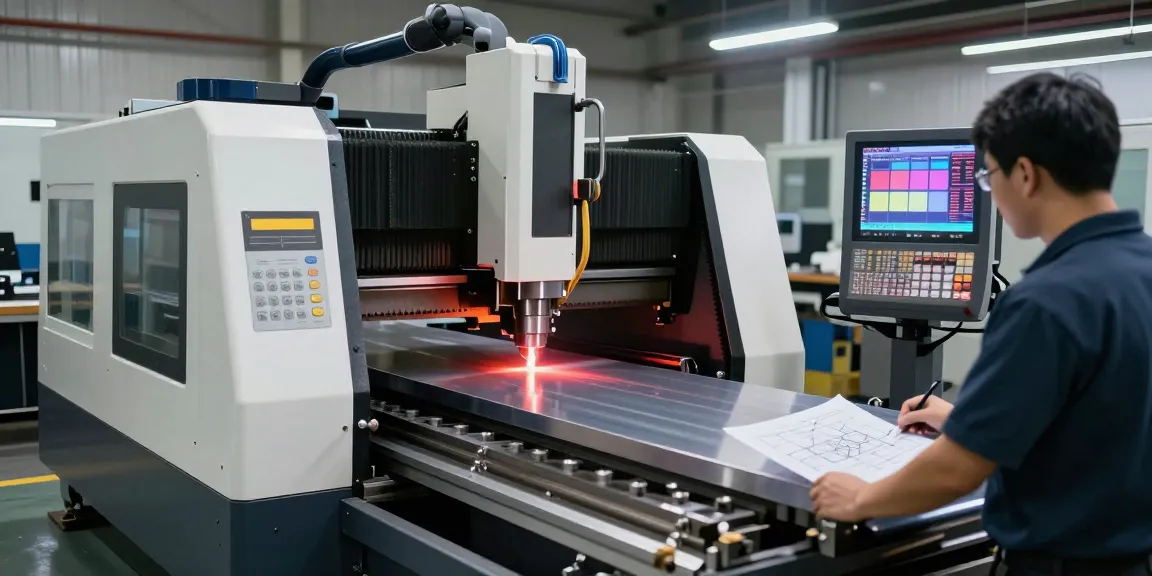
Understanding CNC Press Brake Machines
CNC press brake machines are essential tools in modern manufacturing, enabling the bending and shaping of metal sheets with high precision and efficiency. Utilizing advanced computerized numerical control (CNC) technology, these machines streamline the bending process, making it faster and more accurate than traditional methods. They are widely used across various industries, from automotive manufacturing to aerospace engineering, catering to the complex demands of contemporary production. When exploring options, cnc press brake machine provides comprehensive insights into features and specifications.
What is a CNC Press Brake Machine?
A CNC press brake machine is a type of industrial equipment designed for bending metal sheets into desired shapes with precision. It operates by applying force to the metal sheet, causing it to deform into the required angle or curve. The CNC aspect refers to the machine’s ability to automate this process using programmed instructions, allowing for consistent and repeatable results.
Key Components and Features
- Hydraulic System: Provides the power necessary to bend the metal sheets, allowing for consistent force application.
- CNC Controller: A digital interface that allows operators to input specifications, manage settings, and optimize bending processes.
- Backgauge System: A mechanism that positions the metal sheet accurately for precise bends.
- Crowning Device: Ensures the working table remains flat, compensating for any deflections during the bending process.
Operating Principles of CNC Systems
The functioning of CNC press brake machines is rooted in their ability to interpret commands from a computer interface. The CNC controller directs the movements of the machine’s axes, which include the ram, backgauge, and crowning device, ensuring that each bend is executed to specification. The process typically involves three phases: programming, operation, and monitoring. Operators can choose between data programming and graphical programming interfaces to optimize the bending procedure.
Advanced Programming Techniques for Precision Bending
Utilizing Graphical Programming Interfaces
Graphical interfaces allow operators to visualize the bending process, making it easier to design and simulate complex shapes. This approach enhances understanding and reduces errors, as users can see how different parameters affect the resulting bend. Coupled with modern software solutions, graphical interfaces also streamline the programming process, allowing for adjustments in real-time.
Data Programming for Enhanced Efficiency
Data programming supports advanced calculations and can optimize bending sequences based on the material and design intricacies. By leveraging numerical data, programs can execute operations that maximize material utilization and minimize waste. This precision is vital in high-stakes manufacturing environments where margins for error are minimal.
Integrating Advanced CNC Software Solutions
The integration of sophisticated CNC software enhances machine capabilities, allowing for functions like collision detection and automated programming for complex geometries. This not only speeds up the production process but also increases safety by minimizing mistakes during operation. Moreover, many modern CNC systems offer cloud connectivity, enabling remote monitoring and diagnostics.
Optimizing Performance and Efficiency
Calibration and Maintenance Practices
Regular calibration of CNC press brake machines is essential for maintaining accuracy. Calibration involves adjusting the machine’s components to ensure that they function correctly. Maintenance practices should include routine checks of oil levels in hydraulic systems, inspection of mechanical components, and software updates to keep the CNC system up to date.
Energy-Efficient Operation Strategies
Energy efficiency can be significantly improved by employing hybrid servo technology, which uses less power by optimizing motor operation. Implementing such strategies not only reduces operational costs but also minimizes the environmental impact of production activities.
Reducing Downtime through Predictive Maintenance
Predictive maintenance, enabled through machine learning algorithms, allows manufacturers to forecast potential failures before they occur. By analyzing historical performance data, operators can schedule maintenance activities at optimal times, thus minimizing machine downtime and enhancing productivity.
Innovative Automation in CNC Press Brake Operations
Introduction to Robotic Integration
Robotic integration into CNC press brake operations signifies a new era of manufacturing capabilities. Robots can automate the loading and unloading of materials, thereby freeing up operators to focus on more complex tasks. This synergy improves production speeds and workforce safety.
Benefits of Automation in Manufacturing
Automation offers numerous benefits, including improved consistency, higher throughput, and enhanced safety. Automated systems can operate continuously, resulting in lower labor costs and reduced human error, which is particularly advantageous in high-precision industries.
Future Trends in CNC Automation Technologies
The future of CNC technology will likely see advancements in artificial intelligence and machine learning, enabling even smarter automation solutions. Enhanced data analytics will allow manufacturers to glean insights from operational data, driving continuous improvement and operational excellence.
CNC Press Brake Machine Safety and Compliance
Essential Safety Features and Protocols
Ensuring the safety of CNC press brake operations involves implementing several key safety features, such as light curtains, emergency stop buttons, and proper guarding. These prevent accidents and protect operators from hazardous moving parts during operation.
Regulatory Standards for Equipment Safety
Manufacturers must adhere to regulatory standards such as ISO and OSHA guidelines, which outline safety requirements for machinery operation. Compliance ensures a safer workplace and mitigates the risk of expensive legal issues stemming from workplace accidents.
Training Operators for Safety and Efficiency
Comprehensive training programs for operators are critical. These programs must encompass both safety protocols and operational best practices, ensuring that operators are equipped to handle the machines safely and efficiently.
Frequently Asked Questions
What materials can be processed using CNC press brakes?
CNC press brakes are versatile machines capable of processing various metal materials including steel, aluminum, copper, and titanium. The machine’s configuration and tooling can be adapted to handle different thicknesses and shapes.
How can I choose the right CNC press brake machine?
Choosing the right CNC press brake machine involves assessing your specific production needs, including the type and thickness of materials you will be processing, desired output capacity, and available floor space. Speaking with a knowledgeable supplier can provide valuable insights into machine capabilities.
What are the advantages of electric vs. hydraulic press brakes?
Electric press brakes tend to be more energy-efficient and offer quieter operation, while hydraulic press brakes provide greater tonnage capabilities for bending thicker materials. Each type has its own set of benefits, and the choice often depends on specific application requirements.